
Quick answer
Pick the sauna heater after you know the room, not before.
The best outdoor sauna heater is sized to the sauna's real volume, insulation, glass, climate, and use pattern. Choose electric if you want cleaner daily operation and can run the required circuit. Choose wood if the yard can safely handle a sauna stove, chimney, clearances, fuel storage, ash cleanup, and local rules.
Research links
Sauna heater shopping starting points
Use these only after measuring the sauna room and checking the heater manual, electrical requirements, safety distances, chimney needs, controls, and warranty terms.
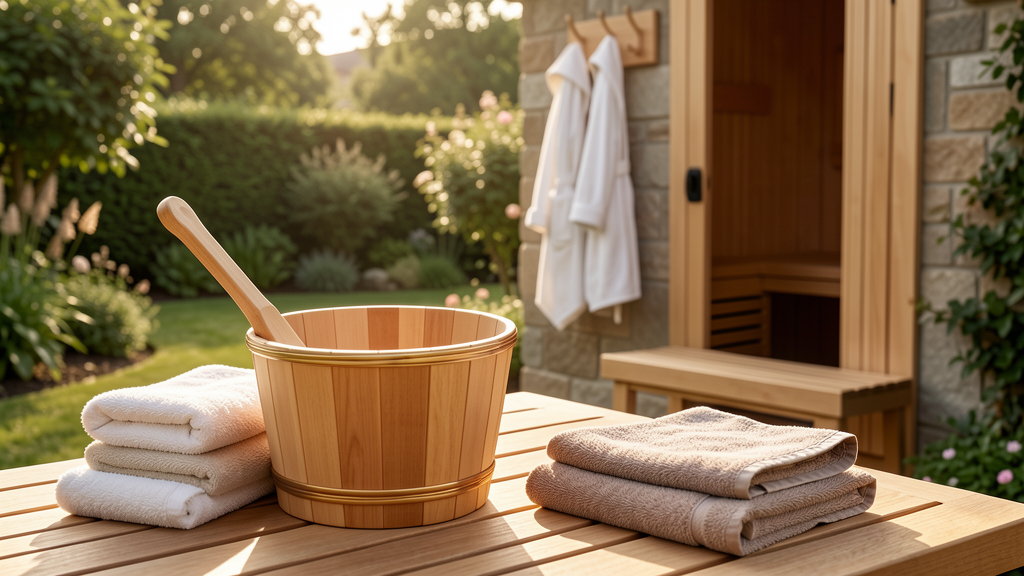
The outdoor sauna heater shortlist
Outdoor sauna heater shopping usually starts in the wrong place. People compare shiny towers, black steel stoves, Wi-Fi controls, stone capacity, and brand names before they know whether the heater fits the room. That is backwards.
Start with the sauna box. Measure the interior width, depth, and height. Note the construction: cabin, barrel, log, insulated panel, glass door, window wall, changing room, or a compact kit with thin walls. Then look at climate. A backyard sauna in a mild covered patio has a different job than a freestanding room sitting in freezing wind.
Once the room is real, the heater list gets shorter fast. Most homeowners are choosing among these paths:
1. Wall-mounted electric sauna heater
This is the clean suburban default when the sauna is compact, the electrical run is realistic, and the owner wants a simple routine. Wall-mounted electric heaters can save floor area, which matters in small cabin and barrel saunas. They also keep the process predictable: turn it on, let the room come up to temperature, and use the sauna without stacking firewood or cleaning ash.
The risk is assuming electric means easy. Many sauna heaters are not plug-in appliances. The purchase should wait until a licensed electrician confirms the circuit, breaker, wire path, control location, disconnect needs, and local code. If the electrical work costs more than expected, it is better to know that before the sauna kit is sitting on the driveway.
2. Floor or tower electric sauna heater
Floor and tower-style electric heaters usually appeal to buyers who want more visible stone mass and a stronger design moment inside the sauna. They can feel premium, especially in glass-front cabins or modern outdoor rooms where the heater is part of the look.
Do not buy one just because it photographs well. Check the approved room-volume range, guard requirements, clearances from benches and walls, stone loading instructions, controls, and service access. A tower that crowds the door swing or steals foot room in a tiny sauna is not an upgrade.
3. Wood-burning sauna stove
A wood sauna stove is the romantic choice, and sometimes it is the right one. It suits cabins, rural yards, off-grid properties, and buyers who actually like the ritual: splitting or buying dry wood, starting the fire, tending heat, managing ash, and making the sauna feel like an event.
It is also the path with the most ways to get expensive. The stove is only one line item. You need a compatible chimney system, roof or wall penetration planning, safety distances, floor and wall protection where required, combustion air, spark and ember thinking, wood storage, ash handling, insurance comfort, and local code permission. If any of that sounds annoying, listen to that feeling. It is useful data.
4. Combi electric heater with steam/humidity features
A combi heater can make sense for buyers who want a softer humidity range and a more flexible indoor-style sauna feel. It is not automatically better for every outdoor sauna. More features mean more details to verify: water filling, cleaning, controls, sensors, maintenance, parts, and whether the extra function fits how you will use the room.
5. Infrared panels or hybrid heat
Infrared belongs in a different decision bucket. It can work for people who want lower ambient heat and direct radiant warmth, but it is not the same experience as a traditional stone heater with water on rocks. In an outdoor setting, confirm the enclosure rating, moisture limits, electrical needs, warm-up expectations, and manufacturer guidance before treating infrared as a drop-in replacement for a traditional sauna heater.
Electric vs wood outdoor sauna heaters
| Heater path | Best fit | Watch-outs | Decision trigger |
|---|---|---|---|
| Wall-mounted electric | Small to mid-size backyard saunas, suburban lots, easier repeat use, compact rooms | Requires the right circuit, controls, clearances, stone loading, and professional electrical planning. | Choose it when the electrician confirms the install path and the heater's room range fits the actual sauna. |
| Floor or tower electric | Modern cabins, glass-forward saunas, buyers who want visible stone mass and a premium interior focal point | Can eat floor space, need guards, and create awkward movement in tight rooms. | Choose it when the heater fits the bench layout and does not crowd the door, feet, or service path. |
| Wood-burning stove | Rural properties, cabin-style saunas, off-grid-feeling retreats, owners who enjoy the fire routine | Chimney, safety distances, floor protection, ventilation, wood storage, ash, permits, and local rules all matter. | Choose it when the entire stove system is approved, not only the stove body. |
| Combi electric | Owners who want more humidity control and a softer steam range from an electric setup | More controls, water care, cleaning, and parts to understand. | Choose it when the extra function fits your actual sauna habits, not merely the spec sheet. |
| Infrared or hybrid | Lower-ambient-heat users, wellness rooms, and buyers who prefer radiant warmth over traditional löyly | Not the same as a stone heater; outdoor enclosure and moisture guidance matter. | Choose it only when the product is designed for the enclosure and the experience matches your goal. |
Sizing is where good sauna plans either win or get dumb
Sauna heater sizing goes beyond a square-foot question. The useful number is the sauna room volume, then the adjustments. Glass, uninsulated surfaces, massive logs, cold exposure, and leaky construction all change the heating job. A heater that looks correct on a simple chart may still be weak in a glass-heavy outdoor room.
Harvia's sauna calculator, for example, asks for sauna dimensions and also accounts for construction factors such as log, glass door, and non-insulated wall area. That is the mindset to copy even if you buy a different brand: measure the room, then adjust for the parts that steal heat.
Do not undersize the heater to save money
An undersized heater is not a bargain. It can make the sauna slow, uneven, and frustrating in cold weather. The owner starts preheating forever, opening the door feels catastrophic, and the benches never feel as settled as the thermometer claims. In a backyard sauna, that annoyance kills use frequency.
Do not oversize the heater to feel safe
Oversizing is not automatically smart either. Harvia's wood-heater guidance is blunt on this point: too small can fail to heat the space properly, while too large can overheat the room and waste energy. The same common-sense warning applies broadly. You want the right heater range, not a brute-force flex that turns the room sharp before the stones, benches, and air feel balanced.
Glass changes the math
Glass doors and window walls look fantastic in backyard saunas, especially when the view faces landscaping, a plunge tub, or a privacy screen. They also make the heater work harder than an insulated wall. If the sauna has a full glass front, do not use a generic size chart without checking how the heater manufacturer accounts for glass.
Barrel saunas need extra honesty
Barrel saunas can heat efficiently because the air volume is compact, but the curved room creates its own buying checks: bench height, heater placement, door position, foot room, and weather sealing. If you are still choosing the shape, read the barrel sauna vs cabin sauna guide before locking in a heater.
Which sauna heater should you choose?
| Your situation | Likely best heater path | What to verify before buying |
|---|---|---|
| Compact backyard kit near the house | Wall-mounted electric heater | Room-volume range, circuit requirements, control placement, clearances, and bench layout. |
| Modern cabin with glass front | Higher-capacity electric heater within manufacturer range | Glass adjustment, insulation quality, door seals, heater guard, and warm-up expectations. |
| Rural cabin-style sauna away from easy power | Wood-burning sauna stove | Chimney route, safety distances, local code, roof penetration, combustion air, and ash handling. |
| Small barrel sauna where floor space is tight | Compact wall electric or manufacturer-approved stove setup | Curved-wall mounting, guard clearances, door swing, foot room, and approved heater location. |
| High-use sauna plus cold plunge routine | Reliable electric with simple controls or a wood setup you genuinely enjoy tending | Preheat routine, energy cost, stone maintenance, towel/cooldown flow, and winter access. |
Outdoor sauna heater buyer risks people ignore
The heater is a technical purchase wearing a lifestyle costume. Treat it like equipment. The pretty part matters after the boring parts are solved.
Risk 1: The electrical quote arrives after the sauna
This is the classic backyard sauna mistake. A buyer chooses a kit, picks a heater option, and only then asks about the panel, trenching, wire route, disconnect, controls, and inspection. Reverse that. If you are leaning electric, read the outdoor sauna electrical requirements guide and talk to an electrician before ordering.
Risk 2: The heater fits the room but not the layout
A heater can match the cubic volume and still be wrong. It might crowd the lower bench, block a comfortable step-in path, sit too close to the door, need a guard that steals space, or make it hard to throw water without leaning over someone's knees. Draw the heater footprint before buying the room.
Risk 3: The wood stove plan ignores the chimney
A wood sauna stove is a system: stove, flue, chimney, ceiling or wall pass-through, clearances, supports, heat shields where allowed, floor protection, ventilation, and maintenance access. Harvia's wood-stove guidance specifically points buyers back to datasheet safety distances and proper installation to reduce fire hazards and support ventilation. That is not fine print. That is the project.
Risk 4: The stones are treated like decoration
Stones do more than look rugged. They affect heat feel, steam behavior, airflow, and heater longevity. Harvia's electric-heater care guidance says stones should be checked and rearranged regularly, worn stones replaced, and airflow kept open between stones. Bad stone loading can make an expensive heater perform like a neglected grill.
Risk 5: Controls are chosen for novelty instead of use
Timers, remote controls, Wi-Fi, and control panels can be useful. They can also add cost and confusion. Ask who will use the sauna, how often, whether preheating from inside the house matters, where the sensor belongs, how the controls handle safety limits, and what happens when a control board fails years later.
Risk 6: The buyer forgets the cooldown zone
A heater decision changes the yard. If the sauna heats quickly and gets used often, you need a better cooldown area, towel hook, robe storage, path lighting, and maybe a plunge plan. If the heater routine is slow and wood-fired, you need kindling storage, a dry landing, and a place to manage ash without making the patio feel like a campsite.
How to plan the heater before ordering a sauna kit
If you are still shopping for the entire sauna, do not treat the heater as a bundle checkbox. Use this order:
- Measure the interior room volume and note glass, log, and uninsulated surfaces.
- Decide whether the site favors electric, wood, combi, or infrared based on utilities and rules.
- Check the manufacturer's approved room-volume range and adjustment guidance.
- Sketch the heater, benches, door swing, steps, guard, and water-throwing position.
- For electric, get the circuit and install path checked before buying.
- For wood, plan the whole stove and chimney system before buying.
- Confirm replacement stones, elements, controls, sensors, guards, and parts availability.
For whole-project budgeting, use the backyard sauna cost guide or the sauna cost calculator. Heater cost is only one part of the total: base, delivery, wiring, chimney, privacy, steps, lighting, and finish details can move the budget more than buyers expect.
Small backyard heater planning
Small yards punish sloppy heater choices faster than large ones. There is less room for guards, fewer path options, tighter privacy angles, and less space for wood storage or service access. The best small-yard heater is usually the one that makes the sauna easy to use without making the rest of the patio weird.
If the sauna is close to the house, electric usually wins on routine and neighbor comfort. If the sauna sits at the back of a larger yard, wood can work if local rules and installation details cooperate. Either way, map the landing pad, towel spot, cooldown chair, gate access, and lighting. The small backyard sauna layout guide will help keep the heater decision tied to the actual yard instead of a product photo.
Research notes and claims checked
This guide avoids exact model ratings, prices, warranties, and clearance numbers because those change by heater, market, and manual. The buyer logic is based on OLL's existing sauna cluster plus manufacturer planning guidance, including:
- Harvia sauna calculator, which frames heater choice around sauna volume and construction details such as log, glass door, and non-insulated walls.
- Harvia wood-burning heater guidance, which warns against too-small and too-large heater choices and points buyers to safety distances, datasheets, ventilation, and proper installation.
- Harvia electric heater maintenance guidance, which highlights checking and rearranging stones, replacing worn stones, and keeping airflow open through the stone mass.
Before purchase, verify the manual for the exact heater you are considering. If a retailer listing conflicts with the manual, trust the manual and the licensed installer, not the sales copy.
Final decision: buy the heater that makes the sauna easy to use
For most homeowners, an electric heater is the safer default if the electrical path is clean. It keeps the routine simple, works better for frequent weeknight use, and avoids chimney planning. Spend the extra effort on correct sizing, a clean control location, proper stones, and a sauna layout that leaves people comfortable inside the room.
Choose wood only if you want the fire routine and the site supports it without drama. A wood sauna stove can be fantastic, but it is not a shortcut. It is a stove, chimney, clearance, protection, fuel, ash, and rule-checking project.
The heater to avoid is the one you cannot explain in boring terms. If you do not know the room volume, glass adjustment, power or chimney path, clearance requirements, stone plan, control setup, service access, and maintenance routine, you are not ready to buy yet. Annoying? Yes. Cheaper than replacing the wrong heater? Also yes.
FAQ
What is the best heater for an outdoor sauna?
For most backyard saunas, the best heater is the one sized to the sauna room volume, insulation, glass area, climate, and available utilities. Electric heaters are usually easier for suburban homes with proper wiring. Wood-burning heaters make more sense where the chimney, clearances, fuel storage, local rules, and hands-on routine are realistic.
Is an electric or wood sauna heater better outside?
Electric is usually better when convenience, timers, repeatable heat, and neighborhood-friendly operation matter. Wood is better when the site can safely support a stove, chimney, floor protection, combustion air, wood storage, ash cleanup, and a slower ritual. The outdoor location does not remove the need to follow the heater manual and local code.
Can a sauna heater be too powerful?
Yes. A heater that is too small may struggle to heat the room, while an oversized heater can make the room harsh, cycle poorly, or waste energy. Size the heater from the manufacturer range for the actual room, including glass, log walls, poor insulation, and cold-weather exposure.
Do outdoor sauna heaters need special wiring?
Many real sauna heaters need a dedicated electrical plan rather than a casual outlet. Confirm voltage, amperage, breaker, wire run, controls, outdoor disconnect requirements, GFCI rules where applicable, and local code with a licensed electrician before ordering.
Can you use a wood stove in a backyard sauna?
A wood stove can work in a backyard sauna when the model is designed for sauna use and the installation supports the required chimney, safety distances, floor protection, ventilation, fuel storage, ash handling, and local rules. Do not improvise with a non-sauna stove.
How often should sauna heater stones be replaced?
Follow the heater manual. As a practical ownership check, inspect and rearrange stones regularly, replace worn or cracked stones, and keep airflow open through the stones. Heavy-use saunas need more attention than occasional-use saunas.