
Direct answer
Choose a chiller if the plunge will be used several times a week. Choose ice if you are testing the habit or only plunge occasionally.
A backyard cold plunge chiller makes the most sense when the tub is part of a repeatable routine near a sauna, gym, pool, or outdoor shower. Ice makes sense when budget matters more than convenience and you are fine managing bags, temperature swings, and faster water changes.
Research links
Compare setups after you know your routine
Use these as shopping starting points, then verify the exact outdoor rating, power needs, filtration, drainage, and warranty language for the model you are considering.
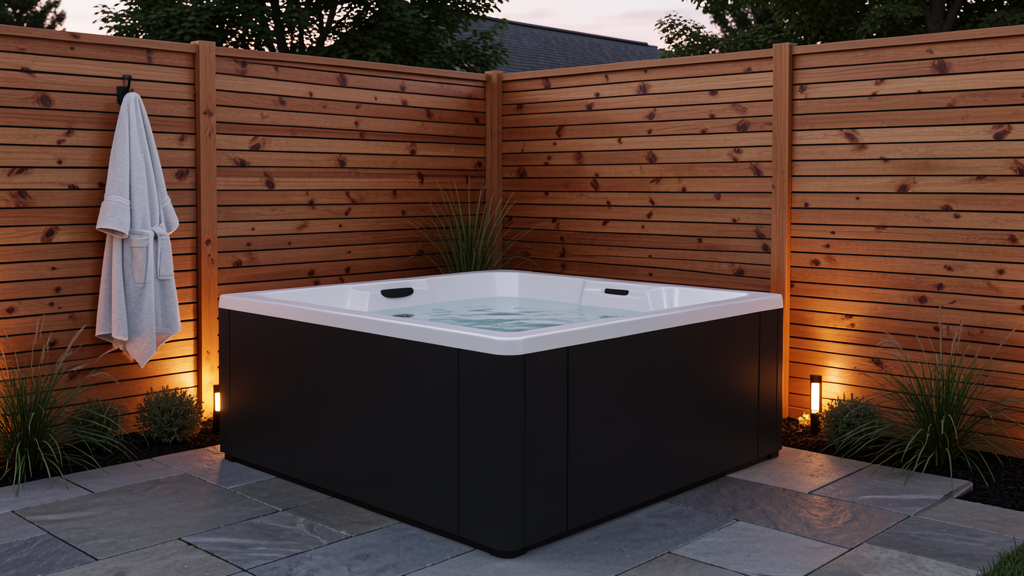
Cold plunge chiller vs ice: the practical comparison
| Choice | Best fit | Ownership tradeoff | Backyard risk to check |
|---|---|---|---|
| Dedicated plunge with built-in chilling | Frequent use, cleaner patio design, sauna pairing | Higher upfront cost and model-specific service requirements | Electrical protection, chiller ventilation, freezing rules, delivery route |
| External chiller added to a tub | Buyers upgrading from ice who already like the tub | More hoses, fittings, noise, and equipment placement decisions | Leak points, pump access, weather cover, hose trip hazards |
| Insulated tub with ice | Habit testing, lower starting budget, occasional plunges | Ice runs, temperature inconsistency, more manual sanitation | Drainage, splash zone, storage for lid and accessories |
| DIY stock-tank style setup | Handy buyers who want control over the build | More decisions on filtration, sanitation, covers, fittings, and safety | Sharp edges, stable base, drain direction, exposed cords or hoses |
The cost math people skip
Ice looks cheaper because the first purchase is smaller. That can be true for a test month. It gets messier if the plunge becomes part of your normal week.
Frequent ice use means buying bags, storing them, carrying them through the yard, waiting for water to cool, and accepting a different temperature every session. A chiller moves more of that hassle into upfront equipment cost, power use, filter care, and occasional troubleshooting.
The honest budget question is not “Which one is cheaper today?” It is “Which one will I still use after the novelty wears off?” If the answer depends on convenience, the chiller starts looking less indulgent and more like the reason the plunge will not become patio sculpture.
Maintenance and water care decide whether this becomes a habit
Cold water still needs a sanitation plan. Dedicated systems may include filtration, ozone, replaceable filters, or product-specific water-care routines. Simple ice tubs may rely more on draining, scrubbing, covers, and whatever sanitation method the manufacturer allows.
Do not buy from a product photo. Read the manual language around filter changes, water additives, draining, outdoor storage, freezing conditions, and service access. If those details are hard to find before purchase, that is a yellow flag.
Three maintenance questions to answer before shopping
- How does the water stay clean? Look for clear instructions on filtration, sanitation, and water-change timing instead of vague “low maintenance” claims.
- Where does dirty water go? A drain that floods mulch, runs toward the foundation, or crosses a walking path will get old fast.
- Can you reach the equipment? Filters, hoses, pumps, and chillers should be reachable without dragging the tub away from a wall.
Backyard placement risks: power, drainage, noise, and winter
A chiller is outdoor equipment, but that does not mean every chiller is happy in every outdoor corner. Confirm GFCI protection, weather exposure rules, ventilation clearance, cord routing, and whether the equipment can remain outside in freezing conditions. Bring in a qualified electrician when the installation instructions call for it.
Noise is another boring detail worth respecting. A chiller near a bedroom window, dining area, or neighbor fence can create more annoyance than expected. If the spec sheet gives sound information, read it. If it does not, assume placement matters.
Ice tubs have different problems. They need a sane path from vehicle or freezer to tub, a cover that does not blow away, and a drain plan for more frequent water changes. If the tub lives near a sauna, leave room for wet movement between heat, cold, towel hooks, and a seat.
When ice is the smarter buy
Ice is the better first move when you are not sure the habit will stick. It also fits rentals, temporary setups, and buyers who want a simple tub without powered equipment outside.
Just be honest about friction. If buying ice requires a store run, the plunge will happen less often. If the tub has no easy drain, cleaning gets postponed. If there is no privacy, it becomes another thing you own but avoid using.
When a chiller is worth the premium
A chiller earns its place when the plunge is attached to a repeatable routine. Sauna users, home-gym users, and people who want predictable cold water are the clearest fits.
The premium is not only colder water. It is fewer ice errands, steadier prep, and a setup that can feel ready instead of improvised. The catch is that the equipment adds its own ownership list: power, filters, hoses, service access, cover discipline, and winter rules.
The before-you-buy checklist
For chiller buyers
- Verify indoor/outdoor rating for the exact tub, chiller, pump, and control box.
- Confirm electrical requirements, GFCI protection, cord length, and whether a dedicated circuit is needed.
- Check chiller ventilation, service clearance, filter access, and hose routing.
- Read freezing-weather instructions and warranty exclusions before leaving equipment outside all winter.
- Plan where the cover goes during use. A cover leaning against the fence can block the only dry path out.
For ice buyers
- Estimate how often you will actually buy or make ice.
- Pick a tub you can drain, scrub, and cover without turning cleaning into a yard project.
- Use a level, stable surface that can handle water weight and splash.
- Keep towels, robe hooks, and a dry mat within one or two steps.
- Decide now what would make you upgrade to a chiller: frequency, ice cost, temperature control, or annoyance.
How this fits with the rest of your backyard plan
If you are building around a sauna, start with the heat-to-cold path. Our backyard cold plunge tub guide covers tub placement and setup style. The cold plunge drainage guide is worth reading before you put the tub on a finished patio.
If budget is the blocker, pair this with the cold plunge cost guide. If the plunge will sit near a small sauna, use the small backyard sauna layout guide to keep the transition short without making the yard feel cramped.
Final decision: buy the setup your future self will maintain
Choose ice if you need proof that cold plunging deserves space in the yard. Keep the setup simple, drain-friendly, covered, and close to towels. Treat it like a trial, not a forever build.
Choose a chiller if you already know the routine matters. The better backyard setup is usually the one that is ready on a random Tuesday, not the one that requires a heroic ice mission before every plunge.
My bias: if the plunge is going beside a sauna or home gym and you expect regular use, save for the chiller path. If you are still in “maybe I am a cold-water person” mode, buy the honest starter tub, learn your habits, then upgrade without pretending the first purchase has to be perfect.
Cold plunge chiller vs ice FAQ
Is a cold plunge chiller better than using ice?
A chiller is usually better for frequent backyard use because it can keep water cold without constant ice runs. Ice can make sense for occasional use, lower starting budgets, or habit testing.
Does a cold plunge chiller need filtration?
Many dedicated systems combine chilling with filtration or sanitation, but every product is different. Verify filter access, cleaning steps, sanitation instructions, and service needs before buying.
Can a cold plunge chiller stay outside in winter?
Do not assume it can. Check outdoor rating, freezing-weather instructions, storage rules, and warranty language for the exact model.
Is an ice bath cheaper than a chiller?
Usually cheaper upfront, yes. Over time, frequent ice buying and extra manual maintenance can make the cheaper setup less convenient than it looked on day one.