
Direct answer
The best cold plunge chiller is the one sized for your tub, climate, target temperature, water-care routine, and backyard layout.
For most homeowners, start with a dedicated plunge system if you want the least tinkering. Choose a standalone chiller if you already have a tub you like and can handle hoses, flow, filters, and service access. Skip the chiller for now if you are still proving the habit or cannot give the equipment protected power, drainage, and winter care.
Research links
Cold plunge chiller shopping starting points
Use these only after you know tub volume, target temperature, outdoor exposure, power, drainage, water care, and service access. Product listings are not a substitute for the manual.
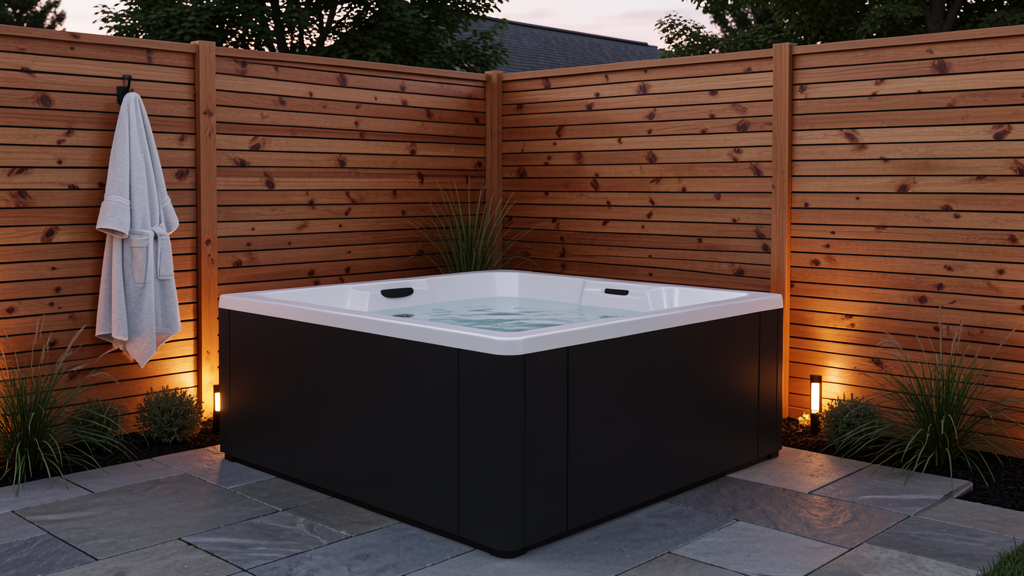
The cold plunge chiller shortlist
Cold plunge chiller shopping gets noisy fast because every product page wants to talk about temperature. Temperature matters, but it is not the whole decision. A backyard chiller has to fight sun, hot air, an uncovered tub, warm hose runs, body heat, weak insulation, and sometimes a buyer who forgot that filters clog.
The smarter shortlist starts with the ownership path, not the coldest number on the page.
1. Dedicated cold plunge system with integrated chilling
This is the cleanest path for homeowners who want the plunge to behave like a real fixture instead of a science project. The tub, chiller, pump, filtration, cover, controls, and fittings are usually designed to work together. That reduces compatibility mistakes and makes the patio look less like a garage experiment escaped into the yard.
The tradeoff is price and lock-in. You still need to check outdoor rating, freezing rules, filter replacement, sanitation, warranty language, service access, drain method, noise, and delivery route. A complete system can be simpler, but it is not maintenance-free.
2. Standalone chiller added to an existing tub
This is the upgrade path for buyers who already have an insulated plunge tub, stock tank, Ice Barrel-style vertical tub, or DIY setup they actually use. If the habit is proven and ice runs are getting old, a standalone chiller can make the routine much easier.
The catch is that you become the system designer. You have to solve pump flow, fittings, hose diameter, filter placement, leak points, chiller ventilation, cord routing, where the unit sits, how it drains, and what happens when the temperature drops below freezing. If that sounds annoying, buy a more complete system or wait.
3. Outdoor-rated cold therapy chiller
An outdoor-rated chiller can be the right tool when the equipment must live near the plunge instead of inside a garage or shed. Outdoor-rated does not mean invincible. It means the product was built for certain outdoor conditions described by the manufacturer. You still need airflow, moisture awareness, safe power, cleaning access, and a winter plan.
Penguin Chillers, for example, lists outdoor-rated cold therapy equipment, but its own guidance still warns that freezing temperatures can damage a chiller when water remains inside. That is the nuance buyers need. Outdoor use and freeze-proof use are not the same promise.
4. Standard aquarium, hydroponic, or water chiller adapted for plunge use
This route attracts DIY buyers because the product category is broad. It can work in some builds, but it is not the lazy choice. Standard water chillers may not be designed for direct weather, freezing conditions, splash zones, or the way people use plunge tubs outdoors.
If you go this direction, read the manual like it owes you money. Confirm compatible fluid, flow range, ventilation, pump sizing, inlet and outlet fittings, electrical safety, sanitation compatibility, and whether the manufacturer supports cold therapy use. If support pages make the use case feel like a hack, treat that as a warning.
5. No chiller yet, better tub first
Sometimes the best chiller purchase is no chiller today. If the tub is flimsy, uncovered, sitting in full sun, hard to drain, or awkward to clean, a chiller will not fix the whole experience. An insulated tub, better cover, shaded placement, drainage plan, and non-slip landing may produce a bigger quality-of-life jump before powered cooling enters the picture.
If you are still deciding whether ice is enough, read the cold plunge chiller vs ice guide first. This page assumes you are at least seriously considering the chiller path.
Cold plunge chiller setup comparison
| Setup path | Best fit | Ownership work | Decision trigger |
|---|---|---|---|
| Dedicated plunge with integrated chiller | Frequent users who want a cleaner patio and fewer compatibility decisions | Filter changes, sanitation, cover discipline, drainage, service access, and winter rules | Choose it when repeat use matters more than lowest starting cost. |
| Standalone chiller plus existing tub | Owners upgrading a tub they already use | Hoses, pump flow, fittings, filter access, leak checks, power, and chiller placement | Choose it when the tub is worth keeping and the DIY details are acceptable. |
| Outdoor-rated cold therapy chiller | Backyard setups where the chiller must sit outside near the tub | Weather exposure, airflow, GFCI-safe power, moisture, and freezing protection | Choose it only after reading the exact outdoor and winter instructions. |
| Adapted standard water chiller | Hands-on buyers building a custom setup in a protected location | Compatibility checks, pump sizing, ventilation, support limitations, and more troubleshooting | Choose it when you can verify the use case instead of guessing. |
| Insulated tub with ice for now | Habit testing, seasonal use, lower upfront budget | Ice runs, more manual water care, and less temperature control | Choose it when you need proof that the plunge deserves more equipment. |
Sizing: the mistake that makes chillers disappoint
Do not buy a cold plunge chiller only because the listing says a horsepower number or a low target temperature. The real question is how much heat the system has to remove from your specific setup.
A useful sizing conversation includes water volume, starting water temperature, target temperature, cooling time, tub insulation, cover quality, sun exposure, ambient temperature, hose length, pump flow, plumbing restrictions, and any added heat from pumps or surrounding conditions. Penguin Chillers' sizing guidance uses that same general logic: liquid volume, heat inputs, ambient temperature, goal temperature, system details, flow rate, and environment all affect the estimate.
Volume is only the first number
A compact vertical tub and a wide rectangular tub can behave differently even when both seem backyard-friendly. More water takes more work to cool. Poor insulation makes the chiller work harder. A black tub in afternoon sun can lose the fight faster than a shaded insulated setup with a real cover.
Target temperature changes everything
Wanting mildly cold water is different from wanting aggressive low temperatures in July. Lower targets usually mean more work from the chiller, especially when the tub sits outdoors. If a product page does not explain the assumptions behind its cooling claims, be suspicious.
Cooling speed is a separate expectation
Some buyers want the plunge ready every morning. Others are fine letting the chiller work slowly. Those are different sizing conversations. If you expect fast pull-down from warm fill water to cold plunge temperature, ask the manufacturer how the model performs with your water volume and climate. Do not let a generic chart do all the thinking.
Flow keeps the system honest
Chillers need enough water moving through them to operate correctly. Penguin's FAQ notes that restricted water flow and dirty filters can cause serious chiller problems, including freezing inside the heat exchanger. The exact flow requirement depends on the model, but the buying lesson is universal: pumps, filters, and hoses are not accessories after the fact. They are part of the chiller decision.
Which chiller path should you choose?
| Your situation | Likely best path | What to verify before buying |
|---|---|---|
| You sauna several times a week and want a ready plunge | Dedicated plunge system or well-supported standalone chiller | Water-care schedule, power, drainage, filter access, cover, and heat-to-cold walking path. |
| You already own an insulated tub you use often | Standalone cold plunge chiller kit | Volume, pump flow, fittings, hose routing, chiller ventilation, winter storage, and leaks. |
| The setup sits in full sun on a hot patio | Better shade and cover first, then a properly sized chiller | Ambient heat, insulation, cover quality, service access, and realistic target temperature. |
| You live where winter freezes are normal | Chiller with clear winterization instructions or indoor/protected equipment placement | Freeze damage exclusions, draining steps, storage rules, and whether water can remain in the unit. |
| You are not sure cold plunging will stick | Insulated tub with ice before buying powered cooling | Drainage, cleaning, cover, privacy, and the point at which ice friction justifies an upgrade. |
Cold plunge chiller buyer risks people gloss over
A chiller is not patio furniture. It is cooling equipment attached to water, electricity, hoses, filters, and a human body that just got out of cold water with clumsy feet. The boring checks are the checks that save the purchase.
Risk 1: Buying the chiller before fixing the tub
If the tub has a weak cover, poor insulation, bad drainage, no stable base, and no cleaning routine, powered cooling will not rescue the setup. It may just make a messy plunge more expensive. Start with the backyard cold plunge tub guide if the vessel itself is still unsettled.
Risk 2: Treating outdoor rating like a magic shield
Outdoor-rated equipment still has limits. It may need airflow, a level surface, protection from standing water, safe electrical setup, and a clear winter process. Freezing water expands. That is not wellness, that is physics punching your wallet.
Risk 3: Ignoring filter access
Filter cleaning sounds tiny until the chiller is wedged behind the tub, the hose is kinked, and the only way to reach the screen is to move half the patio. If you cannot reach the filter easily, you will clean it less often. The equipment will not care about your good intentions.
Risk 4: Bad hose routing
Hoses should not create trip hazards, kink behind the tub, block the cover, cross the walking path, or make draining harder. Keep the plumbing boring and visible enough to inspect. Fancy hidden routing is not a win if the first leak goes unnoticed.
Risk 5: Forgetting that cold water still needs sanitation
Cold water is not automatically clean water. The CDC's recreational water guidance is a good reality check: water can spread germs, and even clean-looking water can make people sick. Follow the plunge maker's filtration, sanitation, draining, and cleaning instructions instead of assuming cold temperature does the whole job.
Risk 6: Noise in the wrong place
Chillers move heat, and that usually means a fan or compressor. Even a reasonable sound level can be annoying next to a bedroom, outdoor dining area, office window, or neighbor fence. If the product lists a sound rating, read it. If it does not, assume placement matters.
Risk 7: No plan for dirty water
Eventually the tub needs to drain. That water has to go somewhere that will not damage the foundation, flood mulch, cross a slick walkway, run toward electrical gear, or irritate landscaping depending on what was used in the water. Pair this page with the cold plunge drainage guide before choosing the final patio corner.
Backyard placement: where the chiller should actually live
The best location is rarely the most hidden one. A cold plunge chiller needs air, access, water routing, protected power, and a place where maintenance does not become a punishment.
Give the chiller room to breathe
Do not trap the unit in a sealed bench, tight cabinet, or decorative box because the equipment looks less pretty than the tub. If you want to screen it, use the manufacturer's clearance and ventilation rules. A chiller that cannot reject heat is a bad chiller, even if the model itself is good.
Keep the service side reachable
Assume you will need to reach filters, screens, hoses, fittings, controls, drains, and the power connection. If the only access requires lifting the tub or crawling through landscaping, the setup is wrong.
Protect power like a grown-up
Water plus electricity is not the place for improvising. Use the manufacturer's electrical requirements and bring in a qualified electrician when needed. For outdoor setups, confirm GFCI protection, weatherproof covers, cord routing, local code, and whether an extension cord is prohibited by the manual.
Plan the heat-to-cold path
If the plunge is beside a sauna, the path matters as much as the tub. Keep the route short, private, lit, and non-slip. Add towel hooks and a dry landing where a shivering person can step out without doing the patio penguin shuffle. The small backyard sauna layout guide can help keep the sauna, plunge, and cooldown seat from fighting each other.
Do not ignore winter until winter
Read the winter section before you buy, not when frost is already on the lid. Penguin's winter guidance says water left inside a chiller can freeze, expand, and damage internal components. Other brands may have different steps, but the principle is not optional: know whether the chiller drains, stores inside, runs through winter, or needs a specific protection routine.
Before-you-buy checklist
Chiller fit
- What is the tub's actual water volume?
- Is the tub insulated, shaded, covered, and protected from hot afternoon sun?
- What target temperature do you want, and how fast do you expect the tub to get there?
- Does the manufacturer provide sizing help for your volume, climate, and setup?
- Does the chiller include a pump, or do you need to size one separately?
Backyard fit
- Where will the chiller sit so it has airflow and service access?
- How will hoses route without kinks, leaks, or trip hazards?
- Where does drained or overflow water go?
- Is the power setup protected, code-aware, and compatible with the manual?
- Will fan or compressor noise bother bedrooms, dining areas, offices, or neighbors?
Ownership fit
- How often do filters, screens, and water need attention?
- What sanitation products are allowed by the tub and chiller maker?
- What happens during freezing weather?
- Can one person uncover, use, drain, and clean the setup without hating the whole ritual?
- Are replacement filters, hoses, fittings, pumps, and support easy to find?
How much should the chiller drive the whole backyard plan?
More than buyers expect. A chiller affects where the tub sits, where power goes, where water drains, how much shade matters, how the cover opens, how loud the corner feels, and how attractive the setup looks from the house.
For budget planning, use the cold plunge cost guide. The chiller is only one line item. A realistic backyard setup may also need a better cover, filter replacements, plumbing parts, non-slip surface, electrician visit, privacy screen, shade, towel storage, steps, and drainage tools.
If the plunge is part of a larger backyard wellness build, connect the purchase to the whole plan. A chiller beside a sauna should support the ritual, not clutter the transition. For broader layout thinking, the small backyard spa ideas guide is a better starting point than a product grid.
Research notes and claims checked
This guide avoids claiming exact universal prices, warranties, cooling speeds, or maintenance intervals because they vary by model, tub, climate, and installation. The buyer logic was checked against manufacturer and public-health sources:
- Penguin Chillers chiller sizing guidance, which frames sizing around liquid volume, heat inputs, ambient temperature, goal temperature, flow rate, environment, and setup details.
- Penguin Chillers cold therapy chiller product guidance, which notes outdoor rating, wet-location setup considerations, filter cleanliness, pump operation, and freezing cautions for that product family.
- Penguin Chillers winterization guidance, which warns that freezing water inside a chiller can damage internal components.
- Penguin Chillers FAQ, which discusses outdoor use, filter cleaning, water levels, ventilation, pumps, and restricted-flow risks.
- Ice Barrel FAQ, used only as a category example for drain spouts and chiller-compatible ice bath products.
- CDC healthy swimming prevention guidance, which explains that recreational water can spread germs and that clean-looking water can still make people sick.
Before purchase, verify the exact manual for the chiller and tub you are considering. If a marketplace listing conflicts with the manual or manufacturer support, trust the manual.
Final decision: buy the setup that stays cold, clean, and easy to use
If you want the least fiddly path and plan to use the plunge often, a dedicated plunge system with integrated chilling is usually the cleanest backyard choice. It costs more, but it reduces the number of compatibility decisions and keeps the patio from looking like a hose convention.
If you already own a tub you like, a standalone chiller can be the right upgrade. Just do not pretend the chiller is a single purchase. You are also buying pump flow, fittings, filtration, hose routing, service access, power safety, and winter responsibility.
If you are still testing the habit, do not let cold-plunge internet pressure bully you into powered equipment too early. Start with an honest insulated setup, solve drainage and cleaning, and upgrade when ice friction is the reason you are skipping sessions.
My bias: for a sauna-adjacent backyard setup that will be used several times a week, save for a supported chiller path. For a casual experiment, keep it simple. The best chiller is not the one with the most dramatic temperature claim. It is the one your future self will actually maintain.
Cold plunge chiller FAQ
What size cold plunge chiller do I need?
The right size depends on water volume, insulation, starting temperature, target temperature, outdoor heat, sun exposure, pump flow, plumbing, and desired cooling speed. Do not choose by horsepower alone. Use the chiller maker's sizing guidance for the exact setup.
Can a cold plunge chiller stay outside?
Some can, but outdoor-rated does not mean every-weather, every-climate, no-maintenance use. Confirm outdoor rating, ventilation, electrical protection, cover requirements, freezing rules, and warranty language for the exact model.
Does a cold plunge chiller replace filtration?
No. A chiller controls temperature. The water still needs a cleaning plan, which may include filters, screens, sanitation, draining, scrubbing, and replacement parts depending on the system.
Is a cold plunge chiller worth it?
It is usually worth it when you use the plunge often enough that ice runs, slow cooling, and inconsistent water temperature are the main reasons you skip sessions. If you are still testing the routine, start simpler.
Where should a cold plunge chiller sit?
Place it where it has airflow, service access, safe hose routing, protected power, drainage awareness, and reasonable noise distance from bedrooms, dining areas, offices, and neighbor fences. Follow the manual's clearance rules.
Can I use a regular water chiller for a cold plunge?
Maybe, but only if the manufacturer guidance supports the use case and the setup can meet flow, ventilation, weather, electrical, sanitation, and temperature requirements. Do not assume an aquarium or hydroponic chiller is automatically safe outside beside a plunge tub.