
Quick answer
Buy the outdoor kitchen refrigerator that can handle the site, not the one with the prettiest door.
The safest shortlist starts with outdoor rating, required ventilation, protected power, temperature performance, door swing, service access, shade, drainage around the base, and how the fridge fits the cook-and-serve flow. A cheap indoor mini fridge can look tempting. It is also the easiest way to build an annoying appliance problem into the island.
Research links
Refrigerator shopping starting points
Use these after you have measured the opening, checked the power location, and read the installation manual for any model you are considering.
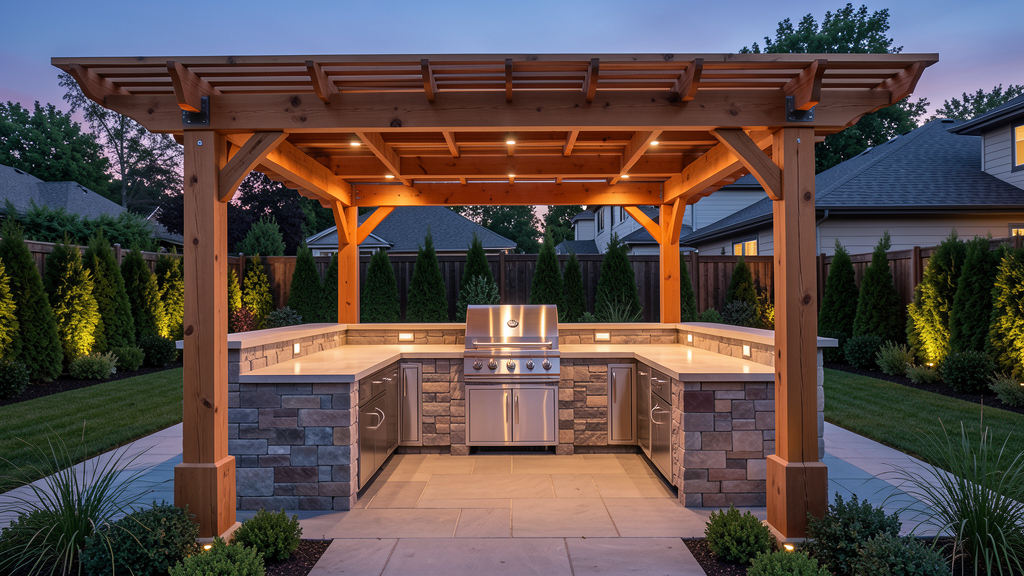
The fridge types worth comparing
Outdoor kitchen refrigerator shopping gets messy because many units look similar in photos: stainless door, small handle, shelves, maybe a glass front. The useful comparison starts with use case. Are you chilling drinks for a pool day, holding burger toppings near the grill, storing wine away from the indoor kitchen, or trying to turn the patio into a full service bar?
Those are different appliance jobs. A beverage center may be great for cans and bottles but poor for perishable food. A drawer fridge may be easier under a counter where people are moving around. A full outdoor refrigerator can make sense in a hosting yard, but only if the kitchen has enough counter space, protected power, shade, and airflow.
Outdoor beverage refrigerator
This is the common starting point for a backyard kitchen. It keeps cans, bottled water, mixers, and party drinks close to the patio so guests are not raiding the indoor kitchen every ten minutes.
The watch-out is purpose. Some beverage coolers are better thought of as drink storage, not food storage. If you plan to keep meat, dairy, cut fruit, dips, or other perishable items outside, verify the model can hold safe refrigerator temperatures in the actual installed location.
Outdoor-rated undercounter refrigerator
An undercounter fridge is the cleaner fit for a built-in island or cabinet run. The key is ventilation. Some units are designed to breathe through the front, while others need side, rear, or top clearance. Do not trap a freestanding unit in a tight cabinet opening because the dimensions appear close enough.
Check the manual before the cabinet is ordered. The fridge opening, feet or leveling, door clearance, handle projection, outlet location, and service access should be planned together.
Refrigerator drawers
Drawer refrigerators can work well in a bar island or poolside kitchen because the drawer opens forward without a tall door swinging across the walkway. They are also easier for kids and guests to use without hovering in front of the cook.
The downside is storage shape. Drawers may not fit tall bottles, platters, or bulky containers as easily as a standard door fridge. Measure what you actually store, not the total capacity number alone.
Outdoor wine or dual-zone cooler
A wine cooler can make sense in a covered outdoor bar, but it is a niche choice for most cooking islands. Wine storage wants stable conditions, less vibration, and a temperature target that may not match beer, soda, or food.
If the patio is hot, uncovered, or exposed to afternoon sun, be careful. A dual-zone unit is only useful if both zones can perform in that location and the warranty allows the installation.
Outdoor ice maker paired with a fridge
An ice maker can be a better hosting upgrade than a second refrigerator, especially for pool days and cocktail setups. It is also a more complicated appliance because it can involve water supply, drainage, cleaning, filters, winterization, and service access.
Do not add an ice maker because an appliance package looks complete. Add it when the plumbing, drain plan, cleaning routine, and party use case make sense.
Outdoor kitchen refrigerator comparison
| Fridge path | Best fit | Avoid if | Decision trigger |
|---|---|---|---|
| Outdoor beverage refrigerator | Pool drinks, cans, mixers, water bottles, and casual hosting | You need dependable storage for perishable food and the model is mainly a drink cooler | Choose it when drinks are the main job and the temperature range matches that use. |
| Outdoor undercounter refrigerator | Built-in islands, cabinet runs, and kitchens where food and drinks need a cleaner home | The cabinet opening cannot meet the manual's airflow, outlet, or service requirements | Choose it when the unit, opening, ventilation, and door swing all work on paper. |
| Refrigerator drawers | Bar islands, narrow paths, guest-access zones, and poolside snack storage | You store tall bottles, large trays, or bulky containers often | Choose it when drawer travel does not block traffic and the storage shape fits your routine. |
| Outdoor wine or dual-zone cooler | Covered bars, cocktail patios, and buyers who separate wine from cans and food | The patio is hot, uncovered, or the warranty does not support the installation | Choose it when the location is protected enough for the temperature targets to make sense. |
| Outdoor ice maker | Hosting yards, pool bars, and frequent cocktail or cooler use | Water supply, drainage, cleaning, or winterization would become a hassle | Choose it when ice demand is high enough to justify the extra plumbing and care. |
Outdoor rating and temperature checks
Outdoor-rated does real work
An outdoor refrigerator has to deal with heat, humidity, rain blown sideways, dust, pollen, insects, sun, temperature swings, and sometimes pool chemicals or salt air. A stainless-looking indoor mini fridge is not automatically ready for that job.
Look for clear outdoor-use language in the current spec sheet and manual. Then read the fine print. The useful details are the listed use location, allowed ambient temperature range, required clearances, enclosure instructions, electrical notes, corrosion exclusions, cleaning instructions, and warranty limits.
Know if it is for drinks or food
For perishable food, temperature control is not a vibes issue. The FDA says refrigerators should be kept at 40 degrees Fahrenheit or below, and it recommends a freestanding appliance thermometer so you can verify the real temperature instead of trusting the dial.
That matters outside. A fridge packed with warm drinks, sitting in afternoon sun, or installed without airflow may work harder than expected. If the unit is for meat, dairy, sauces, salads, or prepared food, use a thermometer and keep the indoor refrigerator as the backup for anything risky.
Do not rank by capacity alone
Capacity numbers can hide awkward shelves, narrow doors, shallow depths, compressor humps, and bottles that only fit if every shelf is rearranged. Measure the items you actually use: cans, wine bottles, water bottles, condiment trays, burger toppings, fruit containers, and serving platters.
A smaller fridge with a better shelf layout can beat a larger one that makes every party drink a puzzle.
Buyer risks that make outdoor fridges annoying
The unit is indoor-only
This is the big one. Indoor-only fridges are not built around the same weather exposure, temperature swings, moisture, dirt, and corrosion risk. If the manual does not clearly allow the installation, skip it.
The fridge cannot dump heat
Refrigerators move heat out of the box. If the island traps that heat, the compressor works harder, the cabinet warms up, and performance can suffer. Match the cabinet opening to the manual instead of guessing from the outside dimensions.
The door opens into the worst spot
A fridge door can block bar stools, drawer banks, trash pullouts, grill access, or the path from the patio door. Open the imaginary door on the plan before buying. If guests will stand in front of the cook every time they grab a drink, the fridge belongs somewhere else.
The outlet is treated as an afterthought
Outdoor power near water and weather deserves a pro review. ESFI describes GFCIs as outlets designed to cut off power before shock can occur in areas where electrical products may contact water, and recommends monthly testing. Use a qualified electrician for local code, outlet placement, and protection details.
Cabinet fit, airflow, and door swing
Built-in and freestanding are not interchangeable
A built-in fridge may be designed for an undercounter opening. A freestanding fridge may need more side, back, or top clearance. A product photo will not tell you enough. The manual should tell you how the unit breathes, how it drains or handles condensation, and how much access it needs for service.
This is where the outdoor kitchen cabinet decision and the refrigerator decision have to happen together. If the cabinet seller and fridge manual disagree, slow down before the island gets cut.
Put cold storage where guests can use it
The fridge should be close enough to the serving zone to help, but not so close to the grill that people crowd the cook. In a narrow patio, it may belong at the end of the cabinet run. In a pool yard, it may belong on the guest side of the bar. In a serious cooking kitchen, it may sit near prep with counter landing space above it.
Also check the boring movements: door swing, handle projection, drawer pullouts, stool clearance, trash pullout travel, grill lid swing, and the route to the indoor kitchen. One bad swing can make an expensive island feel cramped.
Shade helps, but it does not solve everything
Shade can reduce heat load and make the whole kitchen nicer to use. A pergola or gazebo can help with sun and rain planning, but appliance rules still come from the model manual. A covered patio may also change ventilation, smoke, fan, and outlet planning around the broader kitchen.
Where should the outdoor fridge go?
| Location | Best use | Watch-outs | Placement rule |
|---|---|---|---|
| End of cabinet run | Narrow patios and grill islands where guests need drink access | Door swing can still block the walkway or hit a stool | Use this when it keeps guests away from the hot cooking zone. |
| Under serving counter | Bar islands, buffet counters, and poolside drink stations | Direct sun, splash zones, and party traffic can punish the appliance | Use this when shade, outlet placement, and airflow are already solved. |
| Beside prep zone | Outdoor cooking where sauces, toppings, and ingredients are used often | Food safety and grill heat exposure need tighter control | Use this when a thermometer confirms cold storage is reliable during use. |
| Separate beverage bar | Larger yards where guests gather away from the grill | Extra electrical work and another counter run add cost | Use this when traffic control matters more than a compact island. |
Power, weather, and placement risks
Plan power before the island is finished
A fridge needs an outlet location that is protected, reachable, and compliant with the installation instructions and local code. Do not bury the plug behind stone with no access. Do not assume an extension cord is a permanent plan. Do not make a future service call start with removing the counter.
Ask the electrician where the outlet belongs, how it will be protected, how it can be reached, and what happens if the GFCI trips during a party. Annoying questions now are cheaper than a warm fridge full of food later.
Keep it away from unnecessary heat
Grills, pizza ovens, side burners, direct sun, reflected heat from walls, and dark stone surrounds can all make refrigeration work harder. The fridge does not have to sit across the yard, but it should not be jammed into the hottest spot just because the cabinet opening is convenient.
If you are still choosing appliances, work through the built-in grill guide and the modular outdoor kitchen kit guide before locking the refrigerator position.
Think about water at the base
Patio washdowns, rain splash, irrigation overspray, pool water, melting ice, and condensation all matter. The appliance should not sit in a low spot that collects water. The cabinet base, leveling feet, toe kick, and surrounding surface should let water move away instead of trapping it under the fridge.
Winter and off-season use can change the answer
Cold climates add another layer. Some owners shut outdoor refrigeration down for winter, clean it, dry it, cover it, and leave doors handled according to the manual. Others need year-round drink storage. The right answer depends on the model, climate, kitchen cover, and owner routine.
Read the manual for off-season storage. A fancy outdoor kitchen still has to survive boring months when nobody is taking photos of it.
Pre-order checklist for an outdoor kitchen refrigerator
| Check | Why it matters | Proof to collect |
|---|---|---|
| Outdoor-use rating | The unit must be allowed for the patio exposure you plan | Current manual or spec sheet with outdoor-use language |
| Temperature purpose | Drinks and perishable food are different jobs | Temperature range, thermometer plan, and food-storage expectations |
| Ventilation path | Trapped heat can hurt performance and appliance life | Manual clearances, cabinet drawing, and installer confirmation |
| Electrical plan | Outdoor power near water needs proper protection and access | Electrician notes, outlet location, GFCI plan, and code review |
| Door or drawer movement | The appliance can block stools, drawers, trash, or traffic | Measured swing path or drawer travel on the layout |
| Weather exposure | Sun, rain, splash, pollen, salt, and winter can affect the unit | Shade plan, drainage path, cover routine, and warranty exclusions |
| Service access | Repairs and cleaning should not require island surgery | Reachable plug, removable unit path, and access around panels |
How this fits the full outdoor kitchen budget
A refrigerator is rarely the most expensive line item, but it can create expensive ripple effects. It may require a better cabinet opening, electrical work, shade, drainage changes, a serving counter, or a revised island layout. If the whole kitchen budget is still fuzzy, use the outdoor kitchen cost guide before buying appliances one at a time.
Spend on the fridge when it reduces trips inside, improves hosting flow, and fits the weather. Skip or delay it when the patio still needs counter space, lighting, shade, storage, or a safe grill setup more urgently. A cooler on a rolling cart is not glamorous, but it beats cutting a permanent hole for an appliance you do not need yet.
Source notes used for this guide
This guide uses manufacturer-manual-first buying logic because outdoor refrigerator installation rules vary by model. During research, a Summit outdoor beverage cooler page was checked as one example of how outdoor-use language, commercial listings, temperature range, and weatherproof wording can appear in a spec sheet. Treat that as an example of what to verify, not a universal standard for every brand.
For food temperature context, the FDA refrigerator thermometer guidance was checked for the 40 degrees Fahrenheit or below recommendation. For electrical safety context, ESFI's GFCI material was checked for the reminder that GFCIs are used where electrical products may contact water and should be tested monthly. Exact electrical work should come from the current appliance manual, local code, and a qualified electrician.
Final decision: which outdoor kitchen refrigerator should you buy?
Buy the fridge after the layout proves it can support cold storage. The best outdoor kitchen refrigerator is the one that is rated for the location, fits the cabinet opening without choking airflow, uses protected reachable power, keeps the right temperature for its job, opens without blocking traffic, and can be serviced without tearing apart the island.
If the fridge is mainly for drinks, a good outdoor beverage refrigerator near the guest side of the counter may be enough. If it will hold perishable food, be stricter about temperature performance, thermometer checks, shade, and backup storage. If the kitchen is still changing, delay the built-in fridge until the grill, counter, storage, and traffic path are settled.
The fridge to avoid is the one that only wins on price or stainless shine. Outdoor kitchens punish shortcuts. Choose the appliance that can live with your sun, rain, power, cabinet, guests, and cleaning routine without becoming the stupid little box everyone complains about.
FAQ
What is the best refrigerator for an outdoor kitchen?
The best refrigerator for an outdoor kitchen is an outdoor-rated unit that fits the cabinet opening, has the ventilation required by the manual, uses protected power, keeps the right temperature for its intended use, and works with the door swing and weather exposure of the patio.
Can an indoor mini fridge be used in an outdoor kitchen?
An indoor mini fridge is usually a poor choice outdoors unless the manufacturer specifically rates it for the location. Outdoor kitchens expose appliances to heat, moisture, dirt, sun, and temperature swings that indoor units may not be built to handle.
Do outdoor refrigerators need ventilation?
Yes. Outdoor refrigerators need the ventilation and clearance required by the specific model. Built-in or undercounter units often handle airflow differently than freestanding units, so the manual should control the cabinet opening and vent plan.
Should an outdoor kitchen fridge be used for perishable food?
Use an outdoor kitchen refrigerator for perishable food only if it can reliably hold food-safe temperatures in the installed location. The FDA recommends keeping refrigerators at 40 degrees Fahrenheit or below, and a thermometer is a smart check for any outdoor appliance used for food.
Where should an outdoor kitchen refrigerator go?
Place the refrigerator where guests can reach it without crowding the grill, where the door or drawers open cleanly, where the outlet is protected and reachable, and where the appliance has the airflow and shade required by the model. End-of-run placement or a separate beverage bar often works better than putting the fridge directly under the main prep zone.
Is an outdoor ice maker better than a refrigerator?
An outdoor ice maker can be better for pool days, cocktails, and frequent hosting, but it adds water, drainage, cleaning, filters, and winterization questions. A refrigerator is usually simpler for drinks and ingredients. The better choice depends on the way the patio is used.